
Table of Contents
If your car jerks when accelerating at low speeds automatic, you’re not alone and you’re not imagining it. This issue is surprisingly common and can range from a minor maintenance problem to an early warning sign of a serious mechanical fault.
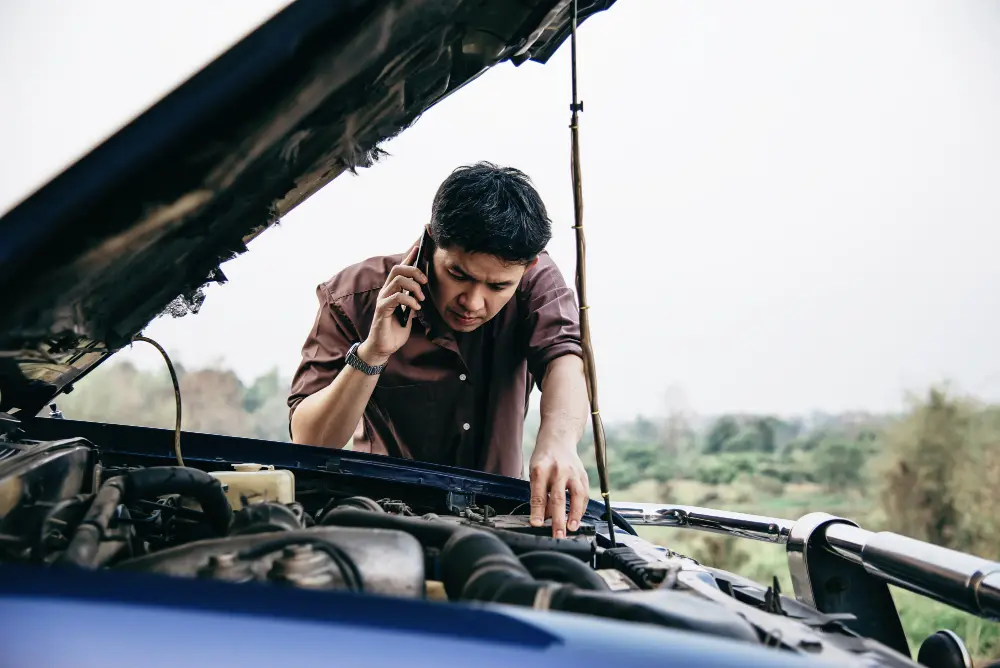
What It Means When an Automatic Car Jerks at Low Speed
When an automatic transmission jerks at low speed, it usually means the engine and transmission are not working smoothly together. Instead of a seamless power delivery, the car hesitates, shakes, or surges forward unexpectedly.
According to the automatic transmission system design, gear changes should be nearly unnoticeable. Any jerking often signals a disruption in fuel delivery, airflow, ignition timing, or transmission hydraulics
Common Reasons a Car Jerks When Accelerating at Low Speeds (Automatic)
Dirty or Failing Fuel Injectors :
Lorem ipsum dolor sit amet, consectetur adipiscing elit. Ut elit tellus, luctus nec ullamcorper mattis, pulvinar dapibus leo.
Fuel injectors spray fuel into the engine in a fine mist. Over time, dirt buildup causes uneven fuel delivery.
- Results in engine hesitation
- Causes jerking during gentle acceleration
- Worsens in stop-and-go traffic
Transmission Fluid Problems :
Low or contaminated automatic transmission fluid reduces hydraulic pressure, leading to delayed or harsh gear engagement.
Symptoms include:
- Jerking between 1st and 2nd gear
- Rough shifts at low speed
- Sluggish throttle response
Faulty Throttle Body or Sensors :
Modern cars rely on electronic throttle control. A dirty throttle body or faulty mass airflow sensor (MAF) sends incorrect data to the ECU.
This causes:
- Delayed acceleration
- Sudden jerks
- Poor throttle modulation
Ignition System Issues :
Worn spark plugs, failing ignition coils, or weak wiring can cause engine misfires, especially noticeable at low RPMs.
How to Diagnose Low-Speed Jerking in an Automatic Car (Step-by-Step)
- Check transmission fluid level and color
- Scan for error codes using an OBD-II scanner
- Inspect spark plugs and ignition coils
- Clean the throttle body
- Test fuel injectors
This systematic approach prevents unnecessary repairs and saves money.
Is It Safe to Drive When an Automatic Car Jerks at Low Speeds?
Short answer: Not for long.
Ignoring the problem can lead to:
- Transmission damage
- Increased fuel consumption
- Unsafe driving conditions
Repair Costs for Low-Speed Jerking Issues
Issue | Estimated Cost |
Spark plugs | $100–$300 |
Throttle cleaning | $80–$200 |
Transmission fluid service | $150–$350 |
Injector cleaning | $150–$400 |
Transmission repair | $1,500+ |
Early fixes are always cheaper than delayed repairs.
How to Prevent Jerking in Automatic Cars
- Use high-quality fuel
- Service transmission fluid regularly
- Clean throttle body annually
- Replace spark plugs on schedule
- Avoid aggressive low-speed acceleration
When to Visit a Mechanic Immediately
- Jerking worsens quickly
- Warning lights appear
- Burning smells or noises occur
Final Verdict: Fix It Early, Drive With Confidence
When your car jerks when accelerating at low speeds automatic, it’s not something to ignore or panic about — it’s simply your vehicle signaling that something isn’t working as smoothly as it should. In many cases, the issue is caused by common and fixable problems such as dirty sensors, worn spark plugs, low transmission fluid, or minor transmission behavior in automatic cars.
The key is early diagnosis. Addressing the problem as soon as you notice your car jerks when accelerating at low speeds automatic can prevent bigger repairs, protect your transmission, and restore smooth driving performance. Many drivers continue driving with hesitation or jerking, assuming it’s “normal,” but informed owners know that smooth acceleration is a sign of a healthy vehicle.
If you’re planning to buy, maintain, or upgrade an automatic car, understanding why a car jerks when accelerating at low speeds automatic helps you make smarter decisions, ask the right questions, and avoid costly surprises.
A smooth drive isn’t luck — it’s the result of informed ownership, timely maintenance, and knowing how your automatic car should feel on the road.